 Tuner.wiki
How to Tune Wind & Brass Instruments: A Complete Trumpet, Flute & Saxophone Tuning Guide
Do you ever feel like your wind or brass instrument just doesn't sound right? Even when you play the correct notes, something might feel off. Many musicians face the frustration of being "out of tune." This can make a beautiful melody sound sour and a professional performance feel amateur.
Tuning a wind instrument is not as simple as turning a peg on a guitar. It requires a mix of physical adjustment, breath control, and a sharp ear. How can you ensure your instrument is perfectly in tune every time?
This guide will help you understand the art and science of tuning wind and brass instruments. We'll explore why these instruments are unique and how to solve common pitch problems. Whether you play the trumpet, flute, or saxophone, you can achieve professional results by using our online tuner right from your browser. Let’s dive into the world of wind instrument tuning and help you play with total confidence.
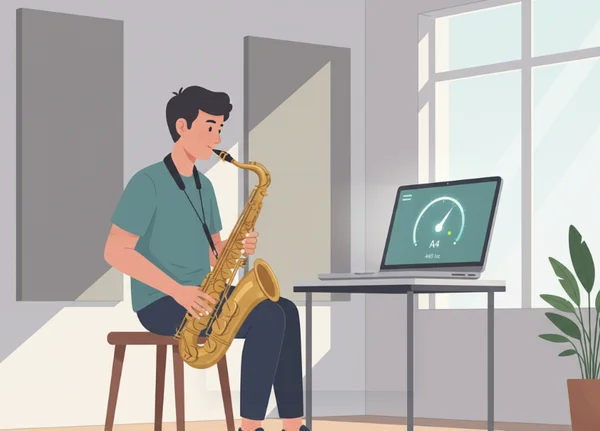
Understanding Wind & Brass Instrument Tuning Fundamentals
Before you start pulling slides or moving mouthpieces, you must know how your instrument creates sound. Wind and brass instruments rely on a column of air. The length of this air column determines the pitch of the note you play.
When the column is longer, the pitch goes lower (flat). When the column is shorter, the pitch goes higher (sharp). It sounds simple, but your body and environment play huge roles in how that air behaves.
How Wind Instruments Differ from String Instruments
String instruments like the guitar use tension to change pitch. You tighten a string to make it higher. Wind instruments work differently—they use the physical length of the instrument itself. Instead of turning a tuning peg, you must physically change the length of the tubing.
This is usually done by pushing a mouthpiece further in or pulling a tuning slide out. Because air is invisible and affected by many things, tuning a wind instrument can feel much more "alive." It is often more unpredictable than tuning a piano or a guitar.
The Role of Embouchure, Breath Control, and Instrument Design
Your body is actually part of your instrument. The term embouchure refers to how you use your facial muscles and lips to blow into the instrument. If your lips are too tight, the note might go sharp. If your breath is too weak, the note might go flat.
This means that even if the instrument is physically set correctly, you could still be out of tune. Consistent breath control is your secret to a stable pitch. High-quality instrument design also helps, but even the most expensive saxophone needs a human touch to stay in tune. You must learn to "hear" the note in your head before you even play it.
Step-by-Step Tuning Guide for Popular Wind & Brass Instruments
Each instrument has its own specific way to adjust pitch. Most bands use a "tuning note" so everyone can match each other. Usually, this is a Concert B-flat or a Concert A. You can use our free tool to see exactly which note you are playing in real-time.
Tuning Your Trumpet or Cornet
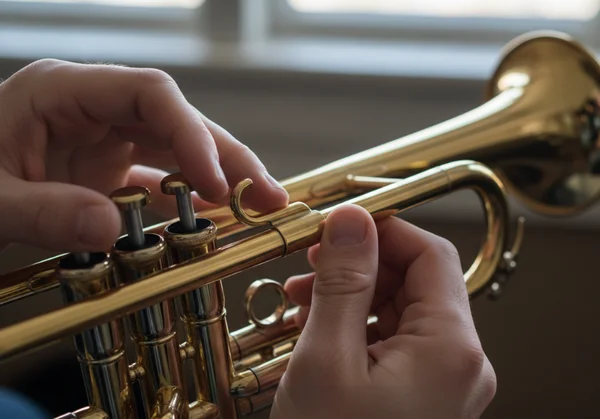
For brass players, the main tuning slide is your primary tool. This is the large "U-shaped" slide located at the beginning of the instrument's tubing. To tune your trumpet, first warm up for five minutes.
Then, play a steady "C" note (which is Concert B-flat). If the tuner says you are sharp, pull the main tuning slide out slightly. This makes the air column longer. If you are flat, push the slide in to make it shorter. Always make small adjustments and test the note again with a fresh breath.
Flute Tuning Techniques and Considerations
As a flutist, you adjust your pitch at the headjoint. This is the part of the flute you blow across. To tune, pull the headjoint out slightly from the main body to lower the pitch. Pushing it all the way in will raise the pitch.
A common mistake for beginners is rolling the flute too far toward or away from the lips. This changes the angle of the air. It can make you very sharp or flat, regardless of where the headjoint is set. Keep your headjoint straight and use a chromatic tuner to find your center.
Saxophone Tuning: From Alto to Baritone
The saxophone is tuned by moving the mouthpiece on the neck cork. If you want to raise the pitch, push the mouthpiece further onto the cork. To lower the pitch, pull it out toward the end of the neck.
You will likely use a written "F-sharp" or "B" to check your tuning. Because the cork can be dry, make sure to use plenty of cork grease. This allows the mouthpiece to slide smoothly without damaging the instrument. If you find your mouthpiece is barely hanging on, you might need to adjust your embouchure instead.
Clarinet and Oboe: Woodwind Tuning Specifics
Clarinets are tuned primarily at the barrel. This is the small piece between the mouthpiece and the upper joint. You can pull the barrel out slightly to flatten the pitch. Some clarinetists also pull out at the "middle joint" if the lower notes are still sharp.
The oboe is much more difficult because the reed controls most of the pitch. Oboe players must find the right balance of reed thickness and lip pressure. If an oboe is consistently out of tune, you may need to adjust the reed itself with a specialized knife.
Overcoming Common Wind Instrument Tuning Challenges
Tuning is not a "set it and forget it" task. Many factors can change your pitch while you are playing. Professional musicians check their tuning frequently throughout a practice session or a concert. You should get into the habit of checking your pitch every few minutes.
Temperature and Humidity Effects on Wind Instruments
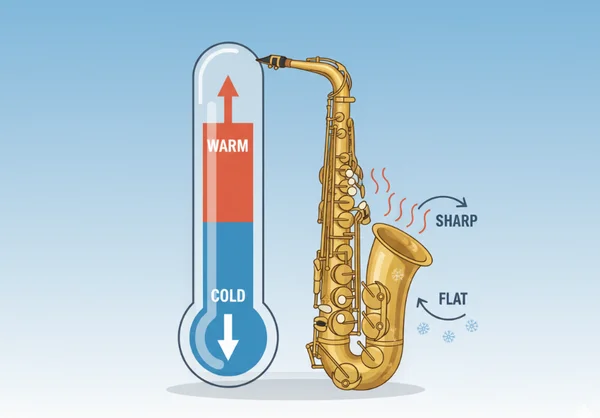
Temperature is the biggest enemy of wind instrument tuning. Cold air is denser, which makes the sound waves travel slower. This causes the instrument to sound flat. Conversely, heat makes the air molecules move faster, making the instrument sharp.
This is why you must "warm up" your instrument. Blowing warm air through the tubing for a few minutes will bring it to its natural operating temperature. Humidity can also affect woodwind pads and reeds. It makes them expand or contract, which can create tiny air leaks.
Mouthpiece Position and Tuning Consistency
Many beginners do not realize that the position of the mouthpiece changes the "feel" of the instrument. If the mouthpiece is barely hanging on the edge of the cork, the instrument might feel "stuffy."
If it is pushed in too far, the high notes might be very sharp while the low notes stay flat. Finding the "sweet spot" on the cork is essential. Once you find it, you can even mark the cork with a pencil so you know exactly where to place it next time.
When Your Tuner Shows Different Results for the Same Note
It can be frustrating when you play a note that is in tune, but then it goes out of tune seconds later. This usually happens because of inconsistent air pressure. If you blow harder, the pitch often goes up.
If you get tired and your lip muscles relax, the pitch usually drops. To fix this, practice playing long tones. Watch a tuning tool while holding a single note for 10 seconds. Try to keep the needle perfectly in the center for the whole time. This builds the muscle memory you need for a stable sound.
Using Tuner.wiki for Wind & Brass Instrument Tuning
Our website is designed to be the most convenient solution for musicians on the go. You do not need to carry a heavy electronic device or download an expensive app. You can simply open our instrument tuner and start tuning immediately.
Setting Up Your Microphone for Optimal Wind Instrument Detection
To get the best results, you need to place your device correctly. Do not put your phone or laptop directly in front of the bell of a trumpet or saxophone. The air blast can distort the microphone and give a false reading.
Instead, place the device about two or three feet away on a music stand. Make sure you are in a quiet room. This ensures the microphone only hears your instrument and not background noise or echoes.
Wind Instrument Specific Tips for Accurate Tuning
When using an online tuner, always play at a "Mezzo-Forte" (medium-loud) volume. If you play too softly, the pitch will naturally drop. The tuner might also struggle to hear you.
If you play too loudly, the pitch might distort. Aim for a steady, clear tone. You should also look at the tuner after you have started the note. If you look at the tuner first, you might subconsciously change your lip pressure to "fix" the note before you see the real result.
Transitioning Between Notes and Tuning Wind Instrument Intervals
A chromatic tuner is great because it recognizes every note. Once your main tuning note is correct, play a scale. You might find that some notes on your instrument are naturally "out of tune" because of how the holes are drilled.
This is called "intonation." By using our free tool, you can learn which notes on your specific instrument need extra help. You can then use your lips or alternative fingerings to pull those notes into line.
Maintenance Tips for Better Tuning Stability
A dirty instrument is an out-of-tune instrument. Small changes inside the tubing can change how the air flows. Regular maintenance is the best way to ensure your tuning slides and valves work when you need them.
Regular Cleaning and Its Impact on Tuning
Over time, moisture and debris can build up inside wind instruments. For brass players, this can lead to corrosion. This changes the smoothness of the inner tubing and affects the pitch.
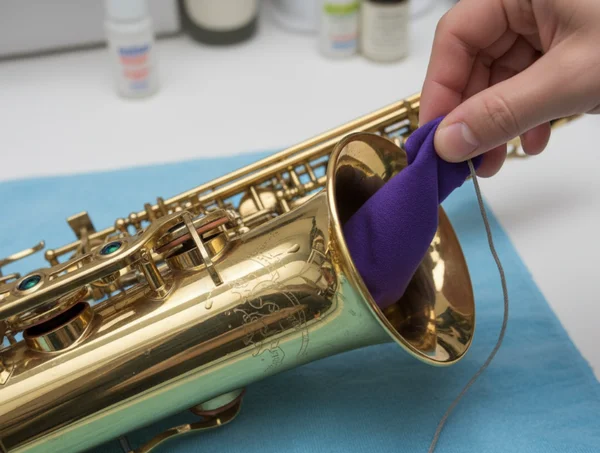
For woodwinds, moisture can damage the bore or the pads. Using a cleaning swab after every practice session removes this moisture. A clean instrument allows air to flow freely, which makes it much easier to stay in tune consistently.
Cork and Pad Maintenance for Woodwinds
Instruments like the flute, clarinet, and saxophone use pads to seal the holes. If a pad is leaking even a tiny bit of air, the pitch will become unstable. You might find it impossible to play low notes.
Check your pads regularly for tears or dark spots. Also, keep your neck corks greased. This ensures the mouthpiece stays firmly in place without air leaks. A dry cork can crack, leading to major tuning issues.
Valve Maintenance for Brass Instruments
If your trumpet valves are sticky, you might not be pushing them down all the way. This can cause the air to take a "partial path." This ruins the pitch and your overall tone quality.
Use high-quality valve oil every time you play. Clean the valve casings once a month with a soft cloth to remove old oil and dirt. Smooth valves lead to faster playing and much better pitch accuracy across the range.
Achieving Perfect Intonation Every Time
Mastering wind and brass tuning takes time and practice. Think of it as a journey rather than a one-time task. It requires patience and a good understanding of your equipment. By focusing on your embouchure, maintaining your instrument, and understanding how temperature affects your sound, you will become a much better musician.
Always remember to warm up before you start adjusting your slides or mouthpieces. The most important tool in your kit is a reliable, high-precision tuner. Whether you are practicing at home, in a classroom, or backstage before a show, we are here to help. Visit our homepage to access our free, professional-grade online tuner. It works on any device and requires no installation. Start tuning today and let your music shine with perfect intonation!
FAQ Section
Why does my wind instrument go out of tune so quickly?
Most wind instruments go out of tune because of temperature changes. As you blow warm air into a cold instrument, the metal or wood expands. This changes the pitch. To keep your instrument in tune, make sure to warm it up thoroughly before tuning. Also, check for air leaks in your pads or loose tuning slides, as these can cause sudden pitch drops.
Can online tuners accurately detect wind instrument pitches?
Yes, modern online tuners are highly accurate. Our tuning tool uses advanced audio processing to detect the frequency of your note in real-time. It is just as accurate as expensive hardware tuners. Just make sure your microphone is in a good position and that you are playing in a relatively quiet environment for the best results.
How often should I tune my wind instrument?
You should check your tuning every time you play. It is a good habit to check your pitch at the start of your practice session after you have warmed up. If you are playing in a long rehearsal or concert, check your tuning again during breaks. The temperature of the room can change as more people enter, which will affect your instrument's pitch.
What's the difference between tuning and adjusting wind instrument intonation?
Tuning refers to setting the overall pitch of the instrument. This involves making the "tuning note" correct. Intonation refers to how well the instrument stays in tune with itself as you play different notes. Even if your trumpet is "tuned" to a B-flat, some other notes like "D" might naturally be sharp. You fix tuning with slides, but you fix intonation with your embouchure and fingerings. Use our online tuner to learn the intonation quirks of your specific instrument.